Who should consider a visit first
- You have chest discomfort, unusual shortness of breath or fainting with exercise
- You have a family history of sudden death before 50 or of inherited heart conditions
- You have known heart disease, diabetes or several risk factors and are starting intense training
- You are over 40 and returning to hard exercise after years of inactivity
What screening may include
- A history and exam focused on symptoms and family history
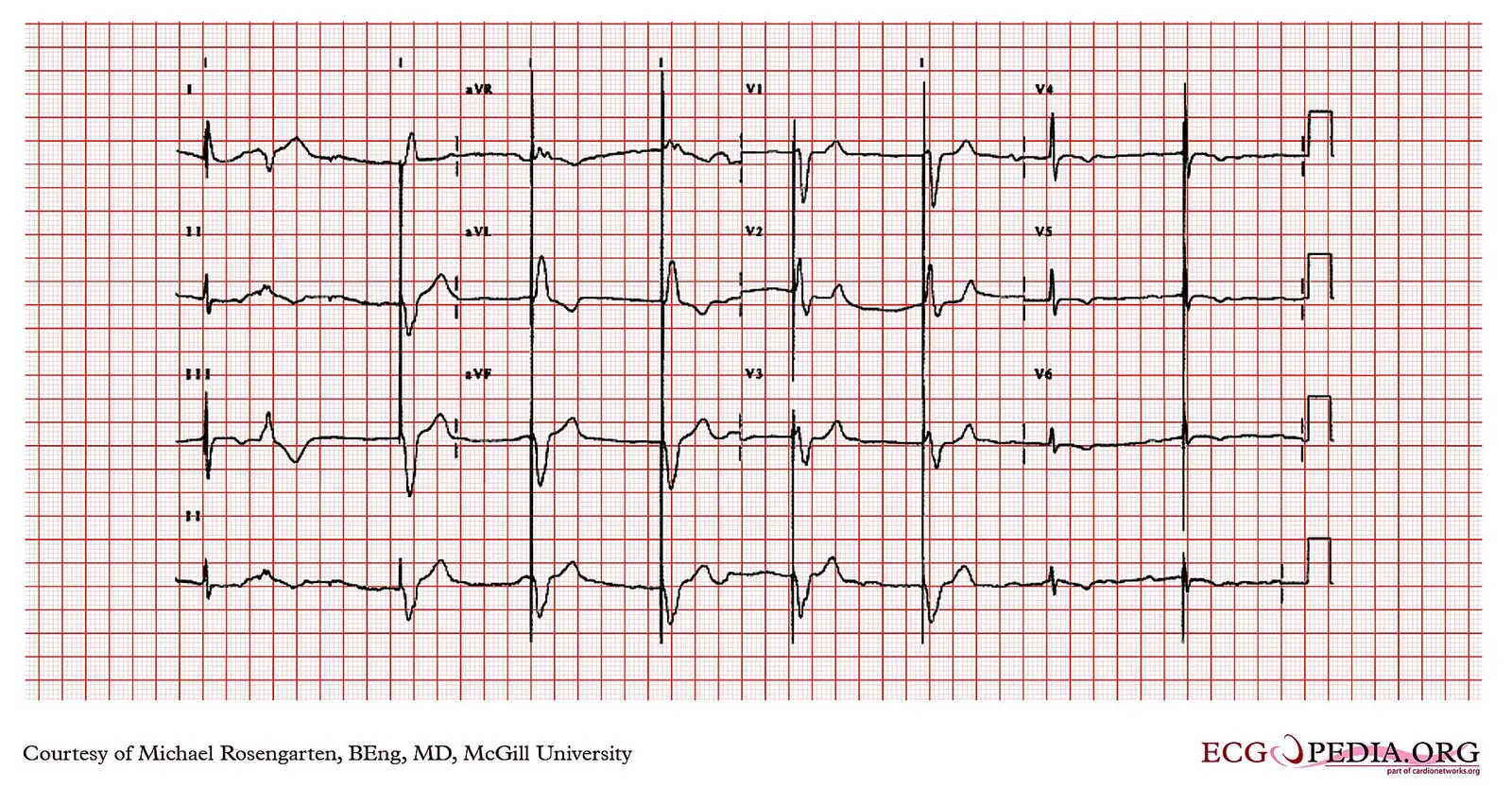
- An EKG
- An echocardiogram if a structural problem is suspected
- An exercise stress test, sometimes with oxygen measurement, for people with symptoms or high risk
Warning signs during training
Stop and get checked for chest pain or pressure, fainting or near-fainting, palpitations with dizziness, or shortness of breath far out of proportion to effort.
Race day
Know where medical tents are, do not push through chest pain, and be cautious in heat.
Sources
Keep reading
Coronary calcium score: who should get one
What a coronary artery calcium (CAC) scan measures, who it helps, what the score means and what it costs.
Read more
Women's heart health
Heart disease risk factors specific to women, how symptoms can differ, and what to bring up with a doctor.
Read more
Cardiac rehab after a heart attack or stent
What cardiac rehabilitation involves, who qualifies, and why it matters for recovery.
Read more